Exploring the essential Commercial Auto Policy Checklist for Small Fleet Businesses, this introduction sets the stage for a deep dive into the intricate details of managing insurance needs for small fleets. With a blend of informative insights and practical advice, readers are bound to gain valuable knowledge on protecting their business assets.
In the following paragraphs, we will uncover the key components of a commercial auto policy checklist, types of coverage options available, risk assessment strategies, compliance requirements, and legal obligations that every small fleet business owner should be aware of.
Overview of Commercial Auto Policy Checklist for Small Fleet Businesses
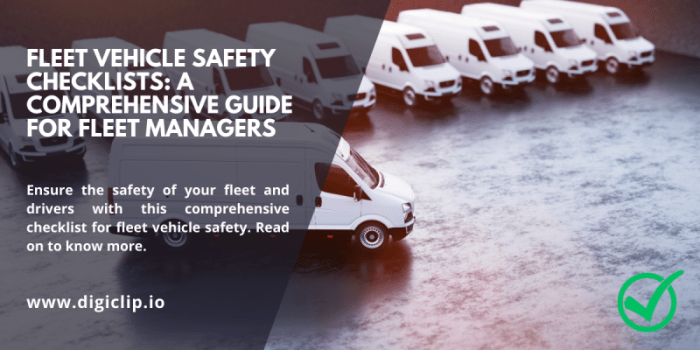
Having a comprehensive commercial auto policy checklist is crucial for small fleet businesses to ensure proper management of risks and compliance with regulations.
Key Components of the Checklist:
- Vehicle Information: Keep detailed records of all vehicles in the fleet, including make, model, year, and VIN numbers.
- Driver Information: Maintain up-to-date driver records, including licenses, certifications, and driving history.
- Insurance Coverage: Verify that each vehicle has the appropriate insurance coverage, including liability, comprehensive, and collision.
- Maintenance and Inspections: Schedule regular maintenance and inspections to ensure the safety and reliability of the fleet.
- Accident Reporting Procedures: Establish clear protocols for reporting accidents and managing claims efficiently.
Benefits of Having a Checklist:
- Reduced Liability: By following a comprehensive checklist, small fleet businesses can minimize risks and potential liabilities.
- Improved Compliance: Ensuring that all vehicles and drivers meet legal requirements helps businesses avoid penalties and fines.
- Enhanced Safety: Regular maintenance and inspections Artikeld in the checklist promote a safer working environment for drivers.
- Efficient Operations: Having a structured checklist streamlines processes and helps businesses operate more efficiently.
Types of Coverage in a Commercial Auto Policy
When it comes to a commercial auto policy for small fleet businesses, there are several types of coverage options available to protect both the vehicles and the business itself. Let's take a closer look at the main types of coverage and how they can benefit small fleet businesses.
Liability Coverage
Liability coverage is essential for small fleet businesses as it protects against bodily injury and property damage that the business may be legally responsible for in an accident. This coverage helps cover medical expenses, repair costs, legal fees, and settlements resulting from a covered incident.
Collision Coverage
Collision coverage helps pay for repairs to the business vehicles in the event of a collision, regardless of fault. This coverage is crucial for small fleet businesses that rely on their vehicles to operate efficiently, as it can help minimize the financial impact of accidents and keep the fleet on the road.
Comprehensive Coverage
Comprehensive coverage provides protection for the business vehicles in situations other than collisions, such as theft, vandalism, or natural disasters. This coverage is beneficial for small fleet businesses that want to safeguard their vehicles against a wide range of risks beyond just accidents.
Uninsured/Underinsured Motorist Coverage
Uninsured/underinsured motorist coverage steps in to cover the costs if the business vehicles are involved in an accident with a driver who lacks insurance or sufficient coverage. This type of coverage is important for small fleet businesses to ensure they are not left with hefty bills in case of an accident with an uninsured or underinsured driver.
Risk Assessment and Mitigation Strategies
When it comes to small fleet businesses, conducting a thorough risk assessment is crucial to identify potential hazards and vulnerabilities that could impact the operation of commercial vehicles. By understanding these risks, businesses can implement effective mitigation strategies to enhance safety measures and protect their assets.
Common Risks Associated with Operating a Fleet of Commercial Vehicles
- Inexperienced drivers: Hiring drivers without proper training and experience can increase the likelihood of accidents.
- Vehicle maintenance issues: Neglecting regular maintenance can lead to breakdowns and accidents on the road.
- Distracted driving: Using mobile phones or other distractions while driving can pose a significant risk to safety.
- Weather conditions: Adverse weather such as rain, snow, or fog can impact driving conditions and increase the risk of accidents.
Mitigation Strategy to Address Identified Risks and Improve Safety Measures
- Driver training programs: Implementing regular training sessions to improve driver skills and awareness on road safety.
- Maintenance schedules: Establishing a routine maintenance schedule for all vehicles to ensure they are in optimal condition.
- Distracted driving policies: Enforcing strict policies against the use of mobile phones or other distractions while driving.
- Weather monitoring: Keeping track of weather forecasts and advising drivers to adjust their routes or schedules accordingly.
Compliance Requirements and Legal Obligations
When it comes to commercial auto insurance, small fleet businesses must adhere to specific compliance requirements and legal obligations to operate within the law and protect their assets. Failure to meet these requirements can lead to penalties, legal issues, and financial losses for the business.
Insurance Coverage
Small fleet businesses are legally required to carry a minimum amount of liability insurance to cover bodily injury and property damage caused by their vehicles. This coverage helps protect both the business and other parties involved in an accident. Failure to maintain the required insurance coverage can result in fines, loss of business licenses, and even legal action.
Vehicle Registration and Renewals
All vehicles used for business purposes must be properly registered and renewed on time. Failure to keep vehicle registration up to date can lead to fines, impoundment of vehicles, and disruptions in business operations. It is essential for small fleet businesses to ensure that all vehicles are registered and compliant with state regulations.
Driver Qualifications
Small fleet businesses must ensure that all drivers operating their vehicles have the necessary qualifications, including valid driver's licenses and any required endorsements or certifications. Hiring drivers without proper qualifications can result in fines, increased insurance premiums, and legal liabilities in case of accidents.
Record-Keeping and Documentation
Maintaining accurate records and documentation related to commercial auto insurance is crucial for small fleet businesses. This includes keeping up-to-date insurance policies, vehicle registrations, driver information, and maintenance records. Failure to maintain proper documentation can result in compliance issues during audits and investigations.
Vehicle Maintenance and Inspections
Small fleet businesses are responsible for ensuring that their vehicles are well-maintained and regularly inspected for safety and compliance. Neglecting vehicle maintenance can lead to accidents, breakdowns, and legal liabilities. By adhering to maintenance schedules and conducting regular inspections, businesses can prevent costly issues and ensure the safety of their drivers and others on the road.
Concluding Remarks
As we conclude this discussion on Commercial Auto Policy Checklist for Small Fleet Businesses, it's evident that a thorough understanding of insurance policies and risk management is crucial for the success and longevity of small fleet enterprises. By implementing the checklist and strategies Artikeld, businesses can navigate the complexities of commercial auto insurance with confidence and efficiency.
FAQ Compilation
What are the key components of a commercial auto policy checklist?
The key components include liability coverage, collision coverage, comprehensive coverage, uninsured/underinsured motorist coverage, and compliance with legal requirements.
How can a checklist help small fleet businesses manage risks effectively?
A checklist ensures that all necessary aspects of insurance coverage and legal compliance are addressed, minimizing risks of financial loss and legal penalties.
What are some common risks associated with operating a fleet of commercial vehicles?
Common risks include accidents, vehicle damage, liability claims, theft, and non-compliance with safety regulations.
Why is it important for small fleet businesses to meet compliance requirements?
Meeting compliance requirements is crucial to avoid legal penalties, fines, and potential business shutdown due to non-compliance issues.
How does non-compliance with legal obligations impact a small fleet business?
Non-compliance can lead to hefty fines, legal disputes, reputational damage, and overall disruption of business operations.