Exploring the Top 10 Tips to Lower Your Auto Insurance Quote Fast, this introduction sets the stage for an in-depth discussion on effective strategies to reduce insurance costs. From understanding the basics to maximizing discounts, this guide offers valuable insights for savvy consumers looking to save on auto insurance.
As we delve into each tip, you'll discover practical advice and actionable steps to help you secure a more affordable insurance quote without compromising on coverage.
Understanding Auto Insurance
Auto insurance is a crucial financial protection that helps cover the costs of damages or injuries resulting from a car accident. Understanding the basics of auto insurance coverage, factors that influence insurance quotes, and the importance of shopping around can help you make informed decisions when selecting a policy.
Basics of Auto Insurance Coverage
- Liability Coverage: This type of coverage pays for bodily injury and property damage that you cause to others in an accident.
- Comprehensive Coverage: Helps cover damage to your vehicle that is not caused by a collision, such as theft, vandalism, or natural disasters.
- Collision Coverage: Covers damage to your car in the event of a collision with another vehicle or object.
Factors Influencing Auto Insurance Quotes
- Driving Record: A clean driving record with no accidents or traffic violations can lead to lower insurance premiums.
- Age and Gender: Younger drivers and males typically face higher insurance rates due to higher risk factors.
- Vehicle Type: The make and model of your car, as well as its safety features, can affect insurance costs.
Shopping Around for Insurance Quotes
It is essential to compare quotes from multiple insurance companies to find the best coverage at the most competitive rates. By shopping around, you can identify potential savings and tailor your policy to meet your specific needs.
Driving Record and Insurance Costs
Having a clean driving record can significantly lower your insurance costs by demonstrating to insurance companies that you are a safe and responsible driver.
Impact of Traffic Violations on Insurance Premiums
Traffic violations such as speeding tickets, DUIs, or at-fault accidents can lead to an increase in insurance premiums as they are seen as indicators of risky driving behavior.
- Speeding tickets can raise your insurance rates by a certain percentage, depending on the severity and frequency of the violations.
- DUIs (Driving Under the Influence) or DWIs (Driving While Intoxicated) can result in significantly higher insurance premiums or even policy cancellation.
- At-fault accidents can lead to an increase in insurance premiums, especially if they result in claims payouts by the insurance company.
Tips on Improving Driving Habits to Reduce Insurance Quotes
Improving your driving habits can help lower your insurance quotes and ensure you maintain a clean driving record.
- Obey traffic laws and signs to avoid getting tickets or violations that can increase your insurance premiums.
- Avoid distractions while driving, such as texting or using your phone, to reduce the risk of accidents.
- Practice defensive driving by staying alert, maintaining a safe following distance, and anticipating potential hazards on the road.
- Take a defensive driving course to improve your skills and demonstrate your commitment to safe driving to insurance companies.
Choosing the Right Vehicle
When it comes to lowering your auto insurance costs, the type of vehicle you drive plays a significant role. Insurance companies assess the risk associated with insuring a particular vehicle, considering factors like the car's make, model, safety features, and repair costs.
Here's how you can choose the right vehicle to help reduce your insurance premiums.
Impact of Vehicle Type on Insurance Rates
Insurance premiums are influenced by the type of vehicle you drive. Generally, expensive or high-performance cars tend to have higher insurance rates due to higher repair costs and increased risk of theft. On the other hand, affordable and reliable vehicles typically come with lower insurance premiums.
Safety Features for Lower Premiums
When selecting a vehicle, prioritize safety features that can help lower your insurance costs. Cars equipped with advanced safety technologies like anti-lock brakes, airbags, traction control, and anti-theft systems are considered safer to drive and may qualify for discounts on insurance premiums.
Factors to Consider for Insurance Savings
- Choose a vehicle with a good safety rating: Vehicles with high safety ratings are less likely to be involved in accidents, leading to lower insurance premiums.
- Opt for a car with lower repair costs: Vehicles that are inexpensive to repair generally have lower insurance rates.
- Avoid high-theft models: Cars that are frequently targeted by thieves may result in higher insurance premiums.
- Consider the car's age: Newer cars with advanced safety features may qualify for discounts, while older vehicles might have higher insurance rates due to repair costs.
Bundling Policies for Savings
When it comes to lowering your auto insurance costs, bundling policies can be a smart strategy. By combining your auto insurance with other types of insurance, you can often receive discounts and save money overall. Here's why bundling is beneficial and how you can make the most of it.
Benefits of Bundling
- Bundling your auto insurance with other policies such as home insurance, renters insurance, or life insurance can lead to significant discounts.
- Insurance companies often offer lower rates to customers who have multiple policies with them, as it increases customer loyalty and retention.
- Managing multiple policies under one insurance provider can also simplify the process of keeping track of your coverage and payments.
Examples of Bundled Policies
- Home Insurance: Combining your home insurance with your auto insurance can result in a multi-policy discount.
- Renters Insurance: If you rent your home, bundling renters insurance with your auto policy can lead to cost savings.
- Life Insurance: Some insurance companies offer discounts when you bundle your life insurance with auto coverage.
Negotiating Discounts
- When exploring bundling options, be sure to ask your insurance provider about any available discounts for combining policies.
- Compare quotes from different insurance companies to see which one offers the best bundle deal for your specific needs.
- Consider increasing your coverage limits or adjusting deductibles to maximize savings when bundling policies.
Increasing Deductibles and Lowering Coverage
When it comes to auto insurance, adjusting deductibles and coverage levels can have a significant impact on your premium costs. Understanding the trade-offs between these factors is key to finding the right balance between savings and adequate coverage.
Impact of Adjusting Deductibles
Increasing your deductibles means you will have to pay more out of pocket in the event of a claim before your insurance kicks in. While this may lower your premium, it also means you need to have the funds available to cover the higher deductible if an accident occurs.
- Higher deductibles typically result in lower premiums.
- Lower deductibles mean higher premiums but less financial burden if you need to make a claim.
- Consider your financial situation and driving history when deciding on the right deductible amount.
Trade-offs Between Coverage Levels and Premium Amounts
Choosing lower coverage limits can also lower your auto insurance costs, but it may leave you vulnerable in case of a major accident. It's essential to weigh the savings against the potential risks of being underinsured.
- Liability coverage is mandatory, but you can adjust the limits to suit your needs and budget.
- Comprehensive and collision coverage protect your vehicle but can be costly. Evaluate if the coverage is worth the premium increase.
- Consider your vehicle's value, age, and your driving habits when deciding on coverage levels.
Finding the Right Balance
Finding the right balance between increasing deductibles and lowering coverage can help you save money on your auto insurance without compromising essential protection. It's crucial to assess your individual needs, risk tolerance, and budget to make informed decisions.
- Review your current coverage and assess if adjustments can be made without sacrificing adequate protection.
- Seek guidance from an insurance agent to understand the implications of changing deductibles and coverage levels.
- Regularly reassess your insurance needs to ensure you are getting the best value for your premium payments.
Utilizing Discounts and Incentives
When it comes to lowering your auto insurance costs, taking advantage of discounts and incentives can significantly impact your premiums. Insurance companies offer various discounts based on different criteria, allowing you to save money on your coverage.
Common Discounts Offered
- Multi-policy discount for bundling auto and home insurance with the same provider.
- Good driver discount for maintaining a clean driving record.
- Good student discount for students with high academic achievements.
- Safety features discount for vehicles equipped with safety technologies.
Qualifying for Discounts
- Maintain a clean driving record by avoiding accidents and traffic violations.
- Bundle multiple insurance policies with the same provider for a multi-policy discount.
- Install safety features in your vehicle to qualify for a safety features discount.
- Show proof of good academic performance to qualify for a good student discount.
Maximizing Savings
- Regularly review your policy and ask your insurance provider about available discounts.
- Take defensive driving courses to improve your driving skills and qualify for discounts.
- Consider joining affinity groups or organizations that offer insurance discounts to members.
- Ask about discounts for low mileage if you do not drive frequently.
Paying in Full or Setting up Automatic Payments
When it comes to managing your auto insurance payments, there are two main options that can help you save money in the long run: paying your premium in full upfront or setting up automatic payments. Both methods come with their own set of benefits and can lead to discounts on your insurance rates.
Paying in Full
Paying your auto insurance premium in full upfront can often result in significant savings. Insurance companies may offer a discount for customers who choose to pay the entire amount at once. By doing so, you can avoid installment fees and potentially lower your overall insurance costs.
Setting up Automatic Payments
Another way to save on your auto insurance is by setting up automatic payments. Many insurance providers offer discounts to customers who opt for automatic monthly withdrawals from their bank account. This not only ensures that your payments are made on time, but it can also lead to lower rates over time.
Tips for Managing Insurance Payments Effectively
- Keep track of your payment schedule to avoid missed payments and potential penalties.
- Consider setting reminders or alerts to notify you of upcoming payments.
- Review your insurance policy regularly to ensure you are getting the best rates and coverage for your needs.
Monitoring and Updating Policy Regularly
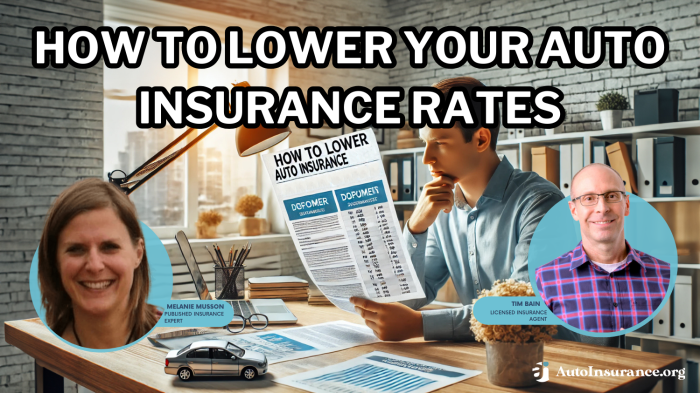
It's crucial to regularly review and update your insurance policies to ensure you have adequate coverage and are getting the best rates possible.
Importance of Regular Policy Monitoring
Monitoring your policy allows you to stay informed about any changes that could affect your premiums. This proactive approach can help you avoid unexpected costs and ensure you are adequately protected.
Life Changes Impacting Insurance Rates
- Marital status changes can impact rates, with married individuals often receiving lower premiums.
- Changes in your address, job, or daily commute distance can also affect your insurance costs.
- Adding a new driver, such as a teenager, to your policy can lead to an increase in premiums.
Benefits of Staying Proactive with Insurance Coverage
- By staying proactive and updating your policy as needed, you can avoid gaps in coverage that could leave you vulnerable in case of an accident.
- Regularly reviewing your policy can also help you take advantage of discounts or incentives that you may qualify for based on your current circumstances.
- Updating your coverage can ensure you have the right amount of protection for your current situation, avoiding overpaying for coverage you no longer need.
Taking Defensive Driving Courses
Completing a defensive driving course can have a significant impact on lowering your insurance costs. Insurance providers often offer discounts to drivers who have completed these courses because they are seen as safer and more responsible on the road.
Types of Recognized Courses
- Basic Defensive Driving: This course covers essential defensive driving techniques to help drivers anticipate and avoid potential accidents.
- Advanced Defensive Driving: More comprehensive courses that delve deeper into defensive driving strategies and risk management on the road.
- Online Defensive Driving: Many insurance providers accept online courses as long as they are certified and meet specific criteria.
Finding Reputable Programs
- Check with your insurance provider: Some companies have a list of approved defensive driving programs that qualify for discounts.
- Research online reviews: Look for feedback from other drivers who have taken the course to ensure it is reputable and effective.
- Verify certification: Make sure the program is certified by the appropriate authorities to guarantee that it meets insurance company requirements.
Seeking Professional Advice
When it comes to navigating the complex world of auto insurance, seeking professional advice can be extremely beneficial. Insurance agents or brokers are well-versed in the industry and can provide valuable insights and guidance to help you make informed decisions about your coverage.
Benefits of Consulting with Insurance Professionals
- Insurance professionals have a deep understanding of the insurance market and can help you find the best deals and discounts available.
- They can assess your unique needs and recommend coverage options that are tailored to your specific situation.
- Insurance agents or brokers can explain complicated insurance terms and policies in simple terms, making it easier for you to understand your coverage.
Tips on Choosing the Right Insurance Professional
- Look for an agent or broker who is licensed and reputable, with a track record of providing excellent customer service.
- Consider the agent’s or broker’s experience and expertise in the auto insurance industry.
- Ask for recommendations from friends or family members who have had positive experiences with insurance professionals.
- Make sure the agent or broker is transparent about their fees and commissions, and that they act in your best interests.
Concluding Remarks
Concluding our exploration of the Top 10 Tips to Lower Your Auto Insurance Quote Fast, it's clear that with the right approach and knowledge, significant savings can be achieved. By implementing these strategies and staying informed, you can ensure that you're getting the best value for your auto insurance needs.
Helpful Answers
Will my driving record affect my insurance costs?
Yes, having a clean driving record can lead to lower insurance costs, as insurers view you as a lower risk.
What factors should I consider when choosing a vehicle to lower insurance rates?
You should consider the type of vehicle, safety features, and insurance premiums associated with the car you're interested in.
Are there discounts available for auto insurance?
Yes, many insurance companies offer discounts for various criteria such as safe driving records, bundled policies, and more.